Are There Any Red Flags When Choosing an Acupuncture Practitioner?
Listen to this article: ▶️ Play
In the ever-expanding world of wellness, acupuncture has become a sought-after option, offering a non-medication approach to managing stress, pain, and overall health. As many people interested in holistic health seek alternatives or complements to conventional medicine, acupuncture presents itself as a valuable tool — but how do you choose a safe, skilled practitioner? What are the important questions to ask, and what red flags should raise an eyebrow?
Why Acupuncture Is Drawing More Interest Today
Many wellness businesses now expand their service menus to include acupuncture, sometimes as standalone sessions and other times as add-ons to treatments like massages or facials. This wide availability is fantastic for access but can make it tricky to know if a practitioner’s knowledge and technique meet professional standards.
Unlike some miracle-cure claims you might see floating around, acupuncture is best viewed as a complementary approach. When combined thoughtfully with conventional treatments, it can help reduce stress, ease chronic pain, and improve well-being in ways that medicine alone sometimes can’t fully address.
What to Expect in Your First Acupuncture Session
Think of your first acupuncture session like opening a new book with a calming, detailed introduction. The practitioner will start by asking about your health history, lifestyle, and specific concerns—this helps them understand your unique story and tailor the treatment.

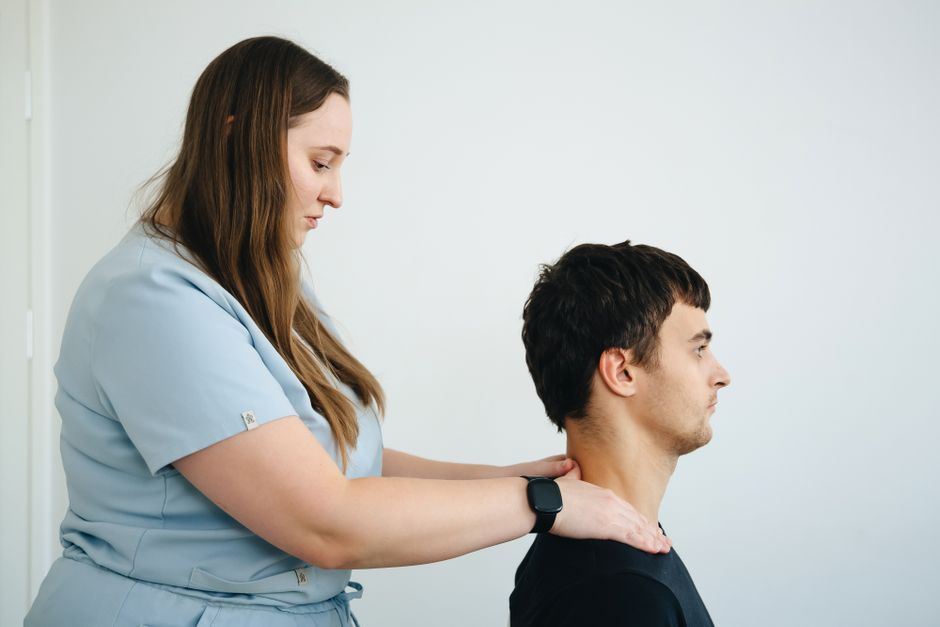
Then, you’ll usually lie down or sit comfortably while very thin, sterile needles are carefully inserted into strategic points on your body. The sensation can range from a slight pinch to a gentle tingling, but it’s rarely painful. You'll often feel deeply relaxed, sometimes drifting much like being absorbed in a good book.
Acupuncture Practitioner Checklist: Questions You Should Ask
To ensure your experience is safe and beneficial, here’s a simple checklist with key questions when choosing an acupuncture practitioner:
- Are you licensed and certified? In many regions, acupuncture requires a license. Ask to see credentials and verify them with the local acupuncture or medical board.
- What kind of training have you completed? Ideally, practitioners have formal training from accredited schools and have passed comprehensive exams.
- Do you follow strict hygiene and needle safety protocols? Cleanliness and disposable, sterile needles are non-negotiable to prevent infections.
- How do you integrate acupuncture with modern medical treatments? Good practitioners appreciate medicine’s role and communicate openly about how acupuncture can complement it.
- Is acupuncture your primary service or an add-on? If offered as an add-on, assess whether the practitioner really specializes in acupuncture or if it’s more of a side offering.
- What can I expect during and after sessions? A transparent practitioner will clearly explain the procedure, potential sensations, and possible side effects.
Why Licensed Acupuncture Questions Matter
Licensing isn’t just a formality; it requires completing stringent coursework covering anatomy, traditional Chinese medicine theory, and clinical practice—plus passing state or national board exams. These standards ensure that the acupuncturist understands both the benefits and limits of the practice.
Unfortunately, without these licenses, there’s no guarantee of safety or quality. As with any treatment involving skin penetration, the risk of infection or improper needle placement exists. Always check your practitioner's licensing before booking a session.
Hygiene and Needle Safety: The Non-Negotiables
A top red flag is any practitioner who doesn’t clearly demonstrate hygiene priorities. Here are hygiene and needle safety essentials:
- Use of disposable, single-use needles only. These must come from sterile sealed packaging and be discarded immediately after use.
- Proper hand hygiene. Practitioners should wash hands thoroughly and wear gloves if necessary.
- Clean treatment environment. The session area should be tidy with fresh linens and sanitized surfaces.
- Sharps disposal. Needles should be disposed in appropriate containers to prevent contamination.
If you notice any lapse, speak up or seek a better option. Good practitioners welcome questions about their cleanliness protocols—it's a sign of professionalism.
Therapy Add-Ons vs Standalone Acupuncture Sessions
Some spas or wellness centers offer acupuncture as an add-on to packages like massage or facial treatments. This can be convenient but pay attention to the practitioner’s focus and expertise. A dedicated licensed acupuncturist concentrating solely on acupuncture will usually provide a more thorough, tailored treatment than a provider juggling multiple services.
Think of it like ordering a mixed drink: a barista specializing only in coffee can craft an exquisite espresso, whereas a general café worker might offer coffee but without the same depth of knowledge. Both might taste good, but the specialist delivers a masterclass experience.
Balancing Holistic Interests With Respect for Modern Medicine
https://www.bbntimes.com/science/modern-health-trends-see-wellness-businesses-shift-towards-these-complementary-therapiesPursuing acupuncture doesn’t mean rejecting conventional medicine. Good acupuncturists see their work as part of a health team, collaborating with doctors, therapists, and other professionals. If a practitioner dismisses your existing medical treatments or discourages you from following doctor’s advice, that’s a major warning sign.
Remember, acupuncture complements rather than replaces medical care — like a helpful chapter in your health "book," not the entire story.
Table: Red Flags When Choosing an Acupuncture Practitioner
Warning Sign Why It Matters What to Do No licensing or certification shown May indicate lack of proper training or adherence to safety standards Verify credentials with local boards or opt for another practitioner Uses non-sterile or reusable needles Risk of infections and disease transmission Insist on disposable needles in sealed packaging; leave if unavailable Dismisses or discourages modern medical treatments Potentially unsafe advice and imbalance in healthcare approach Seek a practitioner who respects integrative health models Offers acupuncture mainly as an add-on without specialization Treatment may be superficial and less effective Choose practitioners specializing in acupuncture for best results Lack of clear explanation about session procedures or risks Can cause unnecessary anxiety or mismanaged expectations Find a practitioner who educates and communicates openlyFinal Thoughts: Choosing Confidence in Your Acupuncture Experience
Choosing an acupuncture practitioner should feel like opening a trusted guidebook rather than entering the unknown blindfolded. A licensed, hygienic, and communicative practitioner can help you explore non-medication options for stress, pain, and wellness with confidence.
Keep your holistic health interests front and center but don’t shy away from raising questions or verifying credentials. Acupuncture can be a powerful piece of your wellness puzzle — when done right.
If you’re curious about trying acupuncture, consider scheduling an initial consultation to meet the practitioner and ask your checklist questions. Your first session is the first page of a promising story on your health journey.