How Do I Check an AC Drain Pan That Doesn’t Drain?
Living along Florida’s northeast coast means dealing with heat and humidity year-round. When your air conditioner’s drain pan isn’t draining properly, it can cause persistent moisture problems that invite pests—especially cockroaches—to set up https://smoothdecorator.com/how-long-does-it-take-for-roach-allergen-levels-to-go-down/ shop inside your home. In this detailed guide, we’ll show you how to check an AC drain pan that isn’t draining, why standing water in your AC pan is a moisture source for roaches, and how this can lead to allergen buildup affecting your family’s health.
Why a Standing Water AC Pan Is a Big Deal
When your AC drain pan holds standing water, you’re basically creating a perfect environment for moisture-loving pests, particularly cockroaches. Florida’s year-round humidity combined with this constant water source puts you at high risk of infestations. Let’s explain what’s going on:
- Humidity and Pests: Even on a dry day, the moisture level indoors can be high if there’s a plumbing or drainage issue.
- Moisture Source for Roaches: Cockroaches thrive in warm, damp environments. The AC pan with standing water provides hydration and habitat.
- Hidden Infestations: Often, you won’t see roaches immediately. Hidden infestations can persist under or around the AC unit, spreading allergen dust.
- Persistent Allergen Dust: Cockroach allergen proteins like Bla g (from German cockroaches) and Per a (from American cockroaches, often mislabeled “palmetto bugs”) accumulate in dust and trigger asthma in sensitive individuals.
American Cockroach vs German Cockroach: Know the Difference
Before we dive into checking and cleaning your drain pan, a quick word on the roach players you might be dealing with:
Feature American Cockroach (Often Called "Palmetto Bug") German Cockroach Size Large, up to 2 inches Smaller, about 1/2 to 5/8 inch Habitat Outdoor moist areas, but can infest indoors especially with standing water Primarily indoor, prefers kitchens and bathrooms Allergen Protein Per a Bla g Behavior Can fly, more active in summer, generally outdoor except when water is available inside No wings to fly, thrives in hidden cracks and damp areas inside homesUnderstanding these species helps target your control efforts, especially since the moisture from a standing water Click here to find out more AC pan attracts both types. But German cockroach allergen Bla g is especially notorious for causing persistent asthma symptoms.
Step-By-Step: How to Check an AC Drain Pan That Doesn’t Drain
Before calling a pro, here’s how you can inspect your AC drain pan safely and effectively. Remember, a crucial part of pest control hygiene is avoiding “shame-based pest talk” or quick fixes like bug bombs (yeah, hate those with a passion!). Instead, focus on finding and eliminating the moisture and habitat that keep the roaches coming back.
Tools You’ll Need
- Flashlight
- HEPA filter vacuum (a must for allergen control)
- Microfiber cloths or disposable wipes for wet-wiping
- Basic screwdriver (to remove any access panels)
- Plumber’s snake or flexible wire (optional, for clogged drains)
Inspection Procedure
- Turn off the AC unit. Safety first.
- Remove any access panels
- Visually inspect the pan. Look carefully for standing water or debris that could block drainage.
- Check the drain line. Follow the drain line from the pan to where it outlets outside. It can become clogged with algae, dirt, or mold.
- Use a flashlight. Look for any signs of cockroach droppings, shed skins, or live insects in or near the pan. Remember, cockroach allergen proteins persist in dust where roaches have been active.
- Vacuum out any dust and debris. Use your HEPA filter vacuum to remove allergen-loaded dust gently. This is better than dry-dusting, which just sends allergens airborne.
- Wet-wipe the pan. Use a damp microfiber cloth or disposable wipe to clean all surfaces of the pan, not just the visible. Dry-dusting just spreads allergens; wet-wiping traps and removes them.
- Clear the drain line. If clogged, carefully work a plumber’s snake through the drain line to get water flowing again. Avoid using toxic chemicals as they may damage the system and create hazardous residues.
- Dry the pan thoroughly. Standing water is your biggest enemy, so after cleaning, make sure the pan is dry and draining freely.
Why HEPA Filter Vacuuming and Wet-Wiping Matter
When dealing with cockroach allergen Bla g and Per a, it’s essential to remove not just the roaches but also their allergen proteins embedded in dust and debris. Traditional vacuuming and dry dusting can stir these proteins into the air, worsening indoor air quality and asthma symptoms.
HEPA filter vacuums trap microscopic allergen particles ensuring they don’t recirculate. Meanwhile, wet-wiping picks up leftover residues that vacuuming alone misses. Together they form a powerful one-two punch for reducing allergen loads—especially in hidden places like under your AC unit’s drain pan.
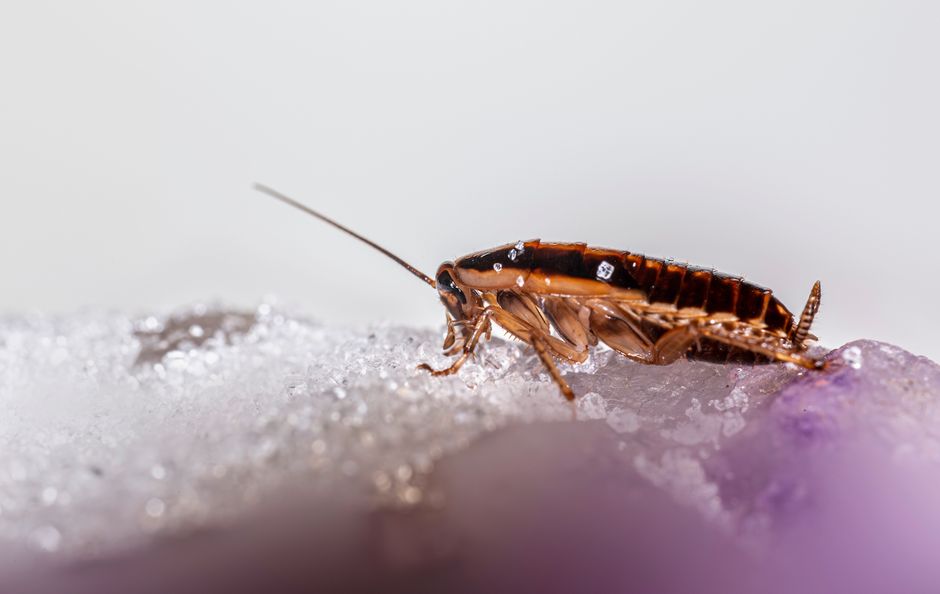

Florida Year-Round Humidity and Pest Pressure: What to Expect
Because we have near-constant humidity in Northeast Florida, your AC drain pan is a hotspot waiting to happen if neglected. Even if you don’t see roaches often, the persistent moisture can sustain hidden infestations and allergen buildup, especially during our warm months.
Keep in mind:
- Every unit is different, but frequent inspections help prevent serious infestation.
- Roaches are attracted to moisture and food residue—don’t let the AC pan become their watering hole.
- Maintaining a dry pan eliminates one of the biggest shelter and breeding spots for moisture-loving pests.
Other Tips to Avoid Moisture Source Roaches
- Pull out the fridge, stove, and washer/dryer appliances periodically. Don’t just spray or buy another bug product (bug bombs are a no-go).
- Regularly clean under kitchen and bathroom sinks where leaks might occur.
- Fix any plumbing leaks immediately.
- Use dehumidifiers if indoor humidity gets above 60%.
- Seal cracks and entry points near AC units and other plumbing penetrations.
When to Call a Licensed Pest Control Professional
If after inspecting and cleaning your AC drain pan you continue to find roaches or experience worsening asthma symptoms, it’s time to call a licensed pest control operator (like me!). We understand the nuances of Florida pests and the importance of addressing moisture sources with integrated pest management (IPM) approaches rather than quick fixes.
Calling a professional ensures:
- Safe, effective treatments tailored for American and German cockroaches.
- Expert advice on moisture control and persistent allergen elimination.
- Peace of mind without resorting to unnecessary “bug bombs” or shame-based pest talk.
Summary Checklist: AC Drain Pan Inspection
Step Description Tools Needed Turn off AC Ensure safety before inspection None Remove access panels Locate the drain pan underneath evaporator coil Screwdriver Inspect drain pan Look for standing water, debris, and roach signs Flashlight Check drain line Ensure water flows freely outside Flashlight, plumber’s snake (optional) Remove dust and droppings HEPA vacuum allergen dust HEPA filter vacuum Wet-wipe pan Trap and remove allergen residues Microfiber cloths, disposable wipes Clear clogs Unclog drain line carefully (avoid chemicals) Plumber’s snake or flexible wire Dry pan Prevent roaches with a dry habitat Cloths or allow airflowFinal Thoughts
Don’t let your AC’s standing water drain pan become a silent source of moisture and cockroach allergens in your home. Regular inspections, proper cleaning with HEPA vacuums and wet-wiping, and prompt maintenance combined with good hygiene and sealing practices will drastically reduce the pest pressure. Remember, “palmetto bug” isn’t a catch-all name for roaches; both American and German cockroaches are involved, and both can worsen asthma symptoms through allergen proteins!
If doing this yourself feels daunting or you suspect a bigger infestation, give a licensed pest professional who knows your Florida pests and climate a call — and of course, always pull the fridge out before buying another spray.