Why Does a Good CBD Tincture Feel Expensive to Waste in Cooking?
Having spent over a decade in busy restaurant kitchens before becoming a recipe developer, I’ve developed an absolute hate for wasting precious ingredients—especially ones with a high price tag and nuanced benefits, like CBD tinctures. When you’re dealing with an ingredient like a high-quality CBD tincture, such as those offered by reputable brands like Joy Organics, it’s downright frustrating to see it squandered through careless handling.
If you peer under the hood of these products, you quickly realize why it feels expensive to waste a good CBD tincture in cooking — there’s science, chemistry, and product design behind it.
Understanding the Cost Behind Quality CBD Tinctures
Before diving into cooking tips, it helps to understand what makes a quality tincture “costly.”
- High-grade hemp sourcing: Certified by standards like the USDA National Organic Program (NOP), top brands cultivate hemp organically, avoiding pesticides and heavy metals.
- Extraction process: Premium tinctures typically use clean supercritical CO2 extraction or ethanol methods that preserve cannabinoids and terpenes.
- Full-spectrum or broad-spectrum formulations: Retaining multiple cannabinoids and aromatic compounds, these tinctures demand more careful handling to preserve their profile.
- Special packaging: Amber glass bottles and droppers with fill lines keep the tincture safe from oxidation and overconsumption, which factors into cost.
When you realize each drop is packed with carefully preserved cannabinoids and aromatic terpenes, it’s easy to feel like using your tincture carelessly in recipes is tossing money down the drain.
Why CBD Tincture High Heat Loss Happens — And How to Avoid It
A major reason most people avoid wasting CBD tincture in cooking is the common misconception that you can just pour CBD tincture into a boiling pot and get all the effects intact. This is unfortunately not true because CBD tincture high heat loss is a real issue.
Heat Degrades Cannabinoids and Aroma Compounds
CBD and the terpenes responsible for the tincture’s aroma are sensitive phytochemicals. When exposed to prolonged or very high heat:
- Cannabinoids start to break down: The oil’s potency and effectiveness are reduced.
- Terpenes evaporate or change structure: The unique flavor and aroma signature of the tincture is lost.
For example, heating above 320°F (160°C) for prolonged periods begins cannabinoid degradation — and boiling water itself is already 212°F (100°C), enough to impact delicate aromatic compounds quickly.
The Right Way to Use CBD Tincture in Cooking — Add Off Heat
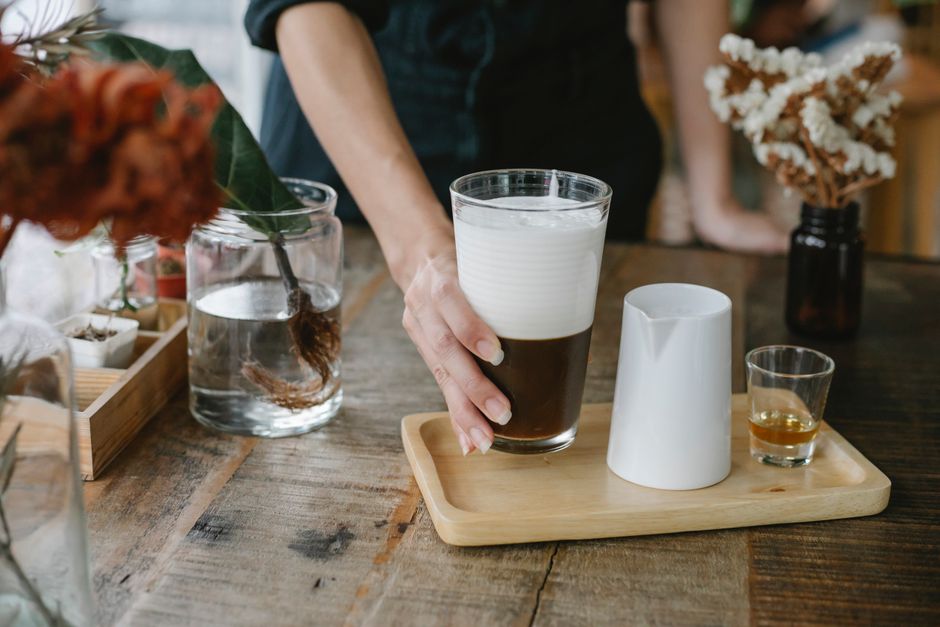
Instead of tossing tincture into hot cooking pots or pans, you want to add your CBD tincture as a finishing oil — this means off heat at the end of cooking. This approach preserves the delicate cannabinoids and terpenes, ensuring maximum benefit and flavor.
The process:
- Cook your dish fully, then remove from heat.
- Allow hot foods to cool slightly — no need to wait until cold, just avoid the aggressive boiling or frying temperatures.
- Add your CBD tincture directly: use the dropper with fill line to measure an exact dose, ensuring you neither waste nor underdose.
- Stir gently to disperse the tincture evenly, especially in fat-based sauces or dressings.
This method keeps the oil’s full spectrum intact and prevents the economic and functional loss of your tincture.
Use Fat-Based Carriers for Optimal CBD Dispersal in Recipes
Another reason why CBD tincture use in cooking can seem tricky is related to the carrier oil used store CBD tincture in fridge in the tincture and the makeup of your recipe.
Fat-Based Carriers and Why They Matter
Most high-quality CBD tinctures use fat-based carriers, such as MCT oil, hemp seed oil, or olive oil. These fats help dissolve and carry cannabinoids to your system efficiently.
When incorporating CBD tincture in recipes, keep these tips in mind:
- Add CBD tincture to fat-containing foods: CBD disperses best in lipids, so dressings, sauces with butter or cream, or meals with avocado or nuts are ideal.
- Avoid adding cannabinoid oils directly to water-based drinks or meals: Without fat to help emulsify the oil, the tincture will separate and not incorporate well.
How to Use CBD Tincture in Water-Only Drinks?
If you want to add CBD tincture to a water-only drink, ensure you add a fat first to help suspension:
- Mix a small spoonful of coconut oil or full-fat milk into the drink before adding CBD tincture.
- Use a blender or vigorous shaking to temporarily emulsify and disperse the oil.
This step prevents the oil from floating on top and causing uneven dosing or wasting precious tincture drops.
Packaging Matters: Why Amber Glass Bottles and Droppers With Fill Lines Make a Difference
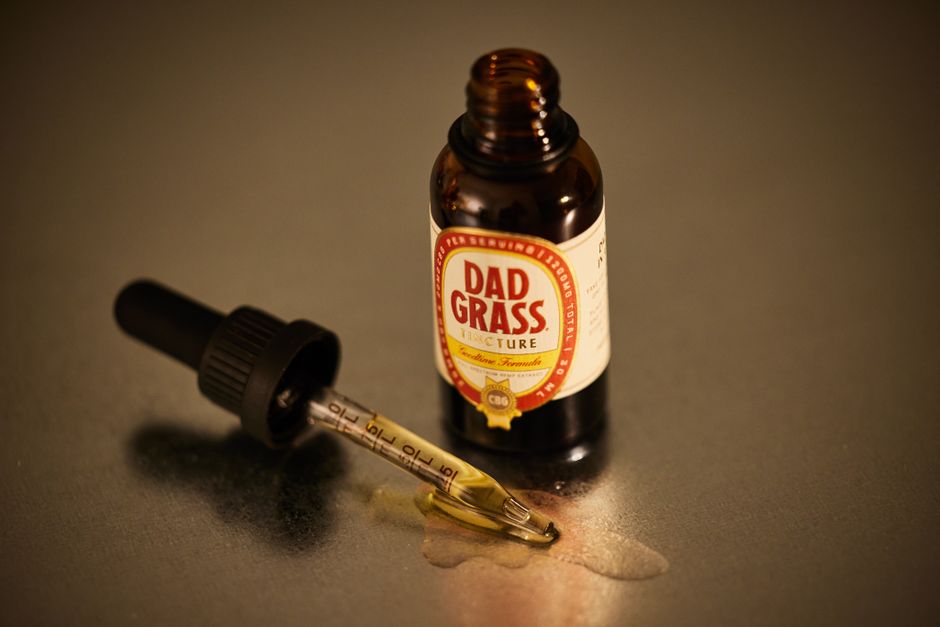
You might have noticed your CBD tincture came in a dark amber glass bottle with a dropper that has a small fill line etched on it. This design is not just fancy — it's for preserving your investment.
- Amber glass bottles protect cannabinoids and terpenes from UV light, which accelerates degradation.
- Droppers with fill lines ensure exact dosing without guesswork, preventing you from accidentally pouring too much or too little tincture into your recipe.
Using these tools properly helps avoid wasting CBD tincture from accidental overdosing or oxidation.
What Data from Google Analytics Tells Us About How People Use CBD Tincture?
Reviewing usage trends via Google Analytics on CBD recipe blogs reveals:
- Many users search for terms around "cbd tincture cooking" and "how to use cbd tincture in recipes" with growing frequency, indicating rising interest.
- Confusion is common about dosing and timing—most queries involve when to add tincture and how much to use.
- Recipes that recommend adding CBD tincture during cooking or boiling receive poor feedback and low engagement, underscoring the importance of emphasizing finishing oil use.
This data backs up my own in-kitchen experience: Teaching folks to use CBD tincture off heat at the end and measure doses precisely is key to happy outcomes.
Summary Table: Best Practices for Using CBD Tincture in Cooking
Best Practice What To Do Why It Matters Add tincture as finishing oil Add tincture off heat, after cooking Preserves delicate cannabinoids and terpenes, prevents potency loss Use amber glass bottles and fill-line droppers Store in original packaging; dose precisely Prevents degradation; avoids pouring waste Incorporate tincture into fat-based dishes Add tincture to sauces, dressings, or fatty foods Improves CBD dispersion and absorption Avoid water-only drinks without added fat Add fat (coconut oil, milk) before tincture in drinks Prevents oil separation and uneven dosing Don’t expose tincture to high heat Never boil or fry tincture; avoid prolonged cooking Maintains extract quality and effectivenessFinal Thoughts
If you’re still tempted to toss your precious CBD tincture into a boiling soup or frying pan “just to get it all in there,” pause for a moment and consider the science and product quality behind your bottle. The cannabinoids and aromatic terpenes cost money and effort to preserve, and the packaging and instructions are designed to help you use CBD as finishing oil to maximize benefits while minimizing waste.
By respecting the chemistry—adding your tincture off heat, pairing it with a little fat, and dosing precisely with the help of a dropper with a fill line—you protect your wallet and your wellness journey. Brands like Joy Organics produce outstanding tinctures under strict USDA organic guidelines, so why throw their carefully crafted products into a boiling pot, losing potency and aroma to heat?
Remember, using quality CBD isn’t just about the product you buy; it’s about how you treat it in the kitchen. Your tincture deserves to be the star finishing oil it was designed to be — don’t waste it!